

Life is an intricate journey, and along the way, we stumble more often than we like to admit. Mistakes are not rare accidents; they are a natural part of being human. Yet, many of us spend a lifetime resisting this truth. We cling to the idea that we are right, that our reactions are justified, and that our perspectives are correct. Ironically, this unwavering belief in our own correctness often becomes the very thing that blocks our growth. Embracing the concept of being wrong can lead to profound insights.
Recognising our fallibility is not a weakness. In fact, it is one of the most powerful tools for personal development. The moment we accept that we can be wrong, we open ourselves to learning, healing, and meaningful change.
Table of Contents
Why Admitting Mistakes Is Essential for Growth
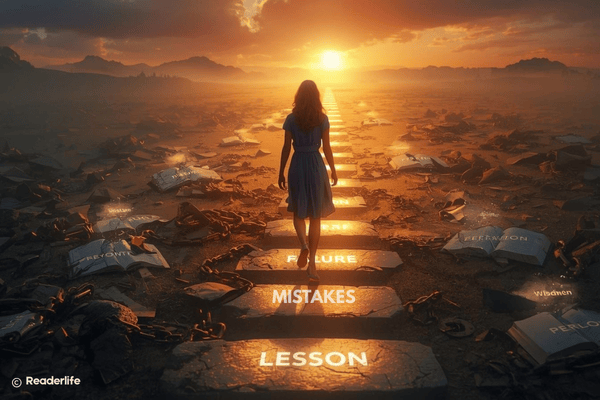
Every mistake carries a lesson, but that lesson only reveals itself when we are willing to acknowledge the error. When we refuse to accept that we might be wrong, we miss opportunities to evolve. Growth does not come from being right all the time; it comes from being willing to question ourselves.
Many people view mistakes as failures, something to hide or defend against. But mistakes are teachers in disguise. They show us where our thinking was flawed, where our emotions overpowered reason, and where we still have room to grow. Without this awareness, we risk repeating the same patterns over and over again.
This idea aligns with psychologist Carol Dweck’s research on the growth mindset, which shows that seeing mistakes as opportunities fuels long-term success.
The Role of Introspection in Difficult Moments

Introspection becomes especially important during moments of conflict, frustration, or emotional overwhelm. When something doesn’t go as expected, our instinct is often to react—to defend ourselves, blame others, or justify our emotions. But these moments are precisely when self-reflection matters most.
Taking a step back allows us to observe our emotions rather than be consumed by them. Instead of immediately reacting, we can ask ourselves what we are truly feeling and why. This pause creates space for understanding and prevents us from acting in ways we may later regret.
This idea is echoed in Mark Manson’s book The Subtle Art of Not Giving a Fck*, where he argues that growth begins when we stop trying to protect our ego and start taking responsibility for our reactions.
Emotional Awareness: Is My Reaction Justified?
Anger and frustration often feel justified in the heat of the moment. However, when we slow down and examine our reactions, we may realise that our emotional response is disproportionate to the situation. Asking a simple question—Is my reaction truly justified?—can be transformative.
In conflicts with loved ones, for example, emotions can escalate quickly. What begins as a minor disagreement can turn into lasting resentment if left unchecked. By evaluating our emotional responses, we gain clarity. This clarity helps us calm the storm before it grows into something destructive.
Breaking Destructive Patterns Through Self-Reflection
Unchecked reactions often lead to repetitive, destructive patterns. If we never question our assumptions or emotions, we continue reacting the same way, expecting different outcomes. Over time, these patterns become deeply ingrained and harder to break.
Self-reflection acts as an interrupting force. It helps us recognise impulsive behaviours and offers us the chance to choose a different response. This conscious choice—made repeatedly—slowly reshapes our habits and emotional reactions.
Questioning Beliefs Shaped by Society and Experience

Many of our beliefs are not consciously chosen. Family, culture, society, and past experiences shape them. Over time, these beliefs harden into assumptions that guide our thinking, often without our awareness.
Some of these assumptions may be outdated, inaccurate, or harmful. Yet, because they feel familiar, we rarely challenge them. Questioning these ingrained ideas is uncomfortable, but it is necessary. By doing so, we dismantle irrational thought patterns and allow more rational, balanced thinking to emerge.
From Reaction to Reason: Training the Mind to Pause

One of the most powerful habits we can develop is pausing. This pause—brief but intentional—creates distance between emotion and action. It allows reason to enter where impulse once ruled.
With practice, this pause becomes natural. Instead of reacting immediately, we reflect. Instead of escalating conflict, we seek understanding. Over time, this shift fosters emotional stability and greater control over our inner world.
Also read: 13 Profound Life Lessons I Learned from The Subtle Art of Not Giving a F*ck
The Transformative Power of Asking “What If I’m Wrong?”

Few questions are as powerful as this one: What if I’m wrong? This question does not weaken us—it humbles us. It encourages curiosity rather than defensiveness and growth rather than stagnation.
When we accept that we might be wrong, we become more open to feedback, more compassionate toward others, and more honest with ourselves. This mindset transforms how we learn, communicate, and grow.
Conclusion: Embracing Fallibility for a Balanced Life
Being wrong is not something to fear. It is something to embrace. Acknowledging our mistakes lays the foundation for introspection, self-awareness, and meaningful personal growth. When we regularly question our judgements, emotions, and assumptions, we move closer to balance and inner harmony.
Life becomes lighter when we stop trying to be right all the time. In that humility, we find wisdom. In that reflection, we find peace. And in accepting our fallibility, we discover the freedom to grow into better versions of ourselves.