
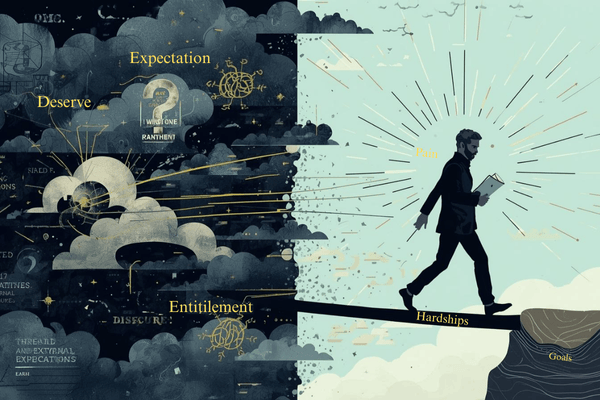
In today’s fast-paced world, we often fall into the trap of believing that happiness should come effortlessly. We want smooth relationships, fulfilling work, and a life free of discomfort. But this mindset often breeds entitlement—the belief that we inherently deserve comfort, joy, or success without putting in the necessary effort.
Understanding entitlement and its subtle presence in our thoughts can be life-changing. When we expect life to be easy or fair at all times, we become sensitive to any pain, conflict, or setback. This constant expectation that things should go our way creates unnecessary stress and disappointment.
Let’s explore why letting go of entitlement and embracing life’s challenges can lead to true happiness.
Table of Contents
1. Understanding Entitlement in Daily Life

Entitlement is more than just expecting rewards—it’s an underlying mindset that the world owes us something. It manifests in subtle ways: feeling frustrated when someone disagrees with us, expecting recognition for minimal effort, or resenting hardships that are part of normal growth.
We see entitlement everywhere: a student upset about difficult exams, an employee frustrated over a lack of immediate promotions, or a friend hurt because life didn’t go according to plan. In each case, the feeling of entitlement fuels frustration and erodes patience.
As Mark Manson, author of The Subtle Art of Not Giving a Fck*, points out, entitlement is the belief that life should always go our way. Letting go of this mindset doesn’t make life easier—it makes us stronger.
The first step toward breaking free is awareness: recognising that life doesn’t guarantee comfort or constant happiness.
2. How Over-Caring Fuels Entitlement
When we care too much about outcomes, we unconsciously feed entitlement. Over-caring about events, other people’s opinions, or circumstances we can’t control creates a false belief that we “deserve” a positive experience.
For example, consider someone deeply invested in a relationship. Every disagreement or minor conflict feels like a personal injustice. This stems from the sense of entitlement—the idea that harmony and joy are owed, rather than earned through effort, understanding, and patience.
Similarly, in professional life, over-caring about recognition, praise, or results can make failures feel unfair. Entitlement amplifies frustration because we expect the world to deliver happiness on our terms.
3. Pain and Adversity: The Antidote to Entitlement

Life is inherently imperfect, and struggles are unavoidable. Pain, setbacks, and challenges aren’t punishments—they are essential parts of growth. Ironically, these very obstacles teach us resilience and appreciation, breaking down the illusions created by entitlement.
The truth is simple: nothing worthwhile comes without effort. Success, wisdom, and personal growth all require enduring challenges. By embracing discomfort and viewing it as a stepping stone rather than a threat, we can reduce feelings of entitlement and cultivate gratitude.
Pain isn’t the enemy—it’s the teacher. The effort you put in, the persistence through adversity, and the lessons learned along the way are what make achievements meaningful.
4. Letting Go: How to Reduce Entitlement
Reducing entitlement is a mental shift, not a single action. Here are practical ways to start:
- Focus on Action, Not Outcomes
Stop obsessing over results. Concentrate on what you can do rather than what you think you deserve. When effort becomes your priority, frustration from unmet expectations diminishes. - Accept Discomfort as Part of Life
Understand that pain, conflicts, and challenges are natural. Avoid labelling them as unfair or personal attacks—they are part of everyone’s journey. - Stop Overthinking What’s Beyond Your Control
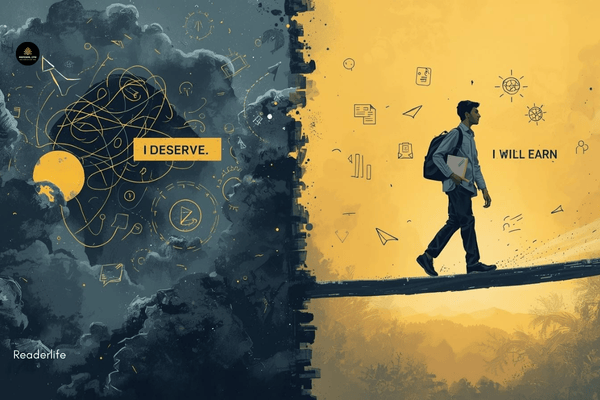
Worrying about uncontrollable events feeds entitlement. Let go of the illusion that life should be perfectly aligned with your desires. - Shift from “I Deserve” to “I Will Earn”
Replace the sense of entitlement with a proactive mindset. Recognise that happiness and success are results of persistence, not inherent rights.
By consistently practising these shifts, you gradually detach from entitlement, freeing your mind from unnecessary stress and frustration.
5. The Benefits of Letting Go of Entitlement
When we release entitlement, life feels lighter and more rewarding. Here’s what you gain:
- Reduced Stress and Anxiety: Worrying less about fairness or outcomes lowers mental strain.
- Improved Relationships: Accepting imperfections in others reduces conflict and resentment.
- Greater Resilience: Challenges become opportunities for growth rather than sources of frustration.
- Genuine Appreciation: Success and joy are valued more deeply when earned rather than expected.
In essence, letting go of entitlement transforms how you perceive life. Instead of battling reality, you flow with it—acknowledging hardships without resistance and celebrating achievements with gratitude.
Also read: 13 Profound Life Lessons I Learned from The Subtle Art of Not Giving a F*ck
Conclusion
Entitlement is a silent barrier to your true happiness. It convinces you that comfort and success are owed, not earned, and closes your eyes to the lessons embedded in struggle. The moment you stop over-caring and expecting life to bend in your favour, you unlock a sense of freedom and inner peace.
Remember: pain is part of the process, and adversity is your teacher. Nothing meaningful comes without effort, and nothing lasting is achieved without patience. By letting go of entitlement, you embrace a life where challenges are stepping stones, happiness is earned, and joy is a product of growth rather than expectation.
Stop worrying, stop overthinking, and stop assuming life owes you. The path to true fulfilment begins the moment you let go of entitlement.
1 thought on “Entitlement and Happiness: Why Letting Go of Control Unlocks True Joy”